MediOP™, our
closed-loop platform.
Multus reimagined media development from the ground up. Our MediOP™ platform combines data, models, and design iteratively by integrating high-throughput robotic automation, AI, and deep cell biology expertise to generate rich performance data at scale. Leveraging our platform, we have built the first data-driven design process for cell culture media.
One integrated system for media design.
We turn cell culture media development into cell culture media design. Our MediOP™ platform allows us to design custom media tailored to each cell type. With this unique capability we deliver cell-specific formulations optimised for performance, cost, and quality, transforming years of guesswork into weeks of custom design.
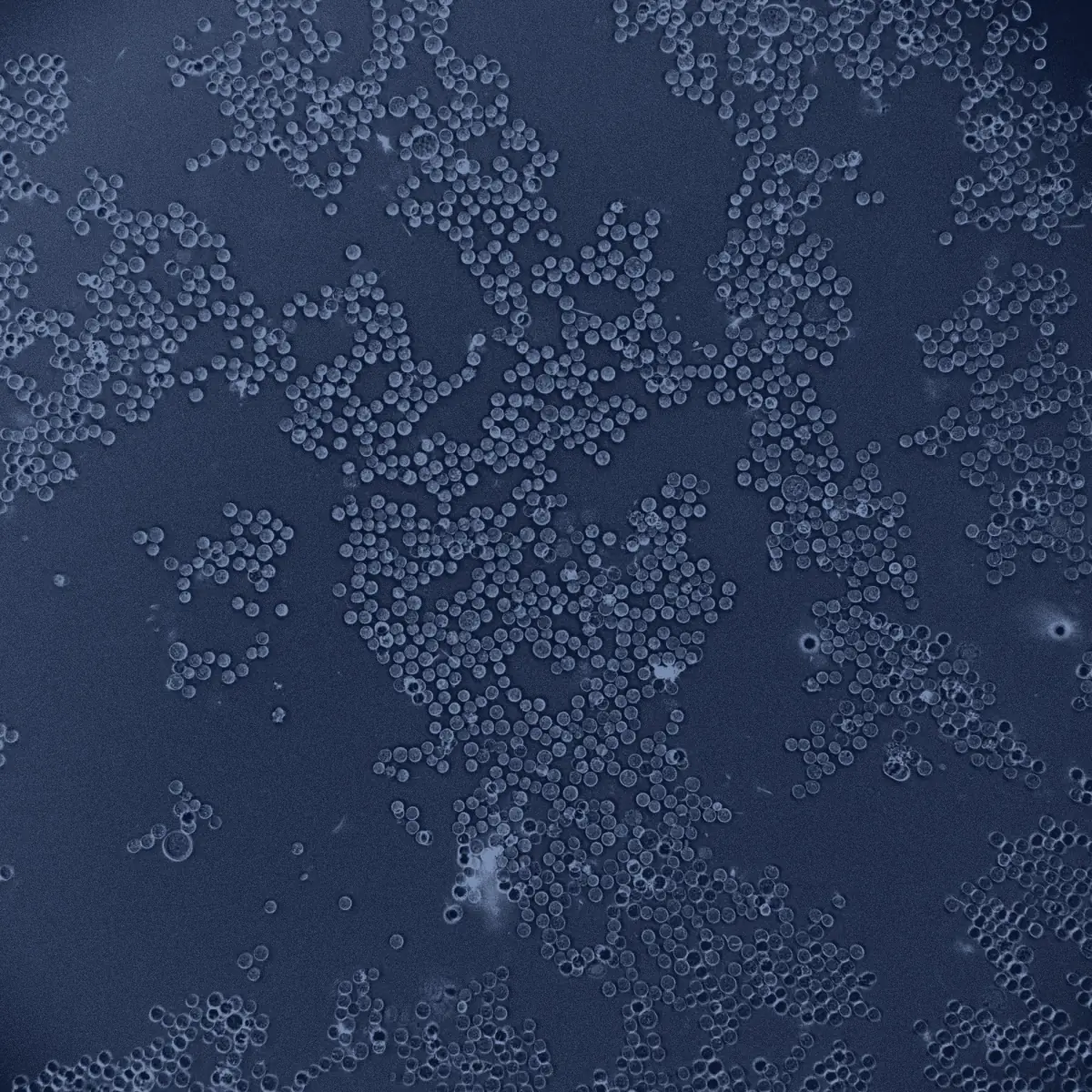
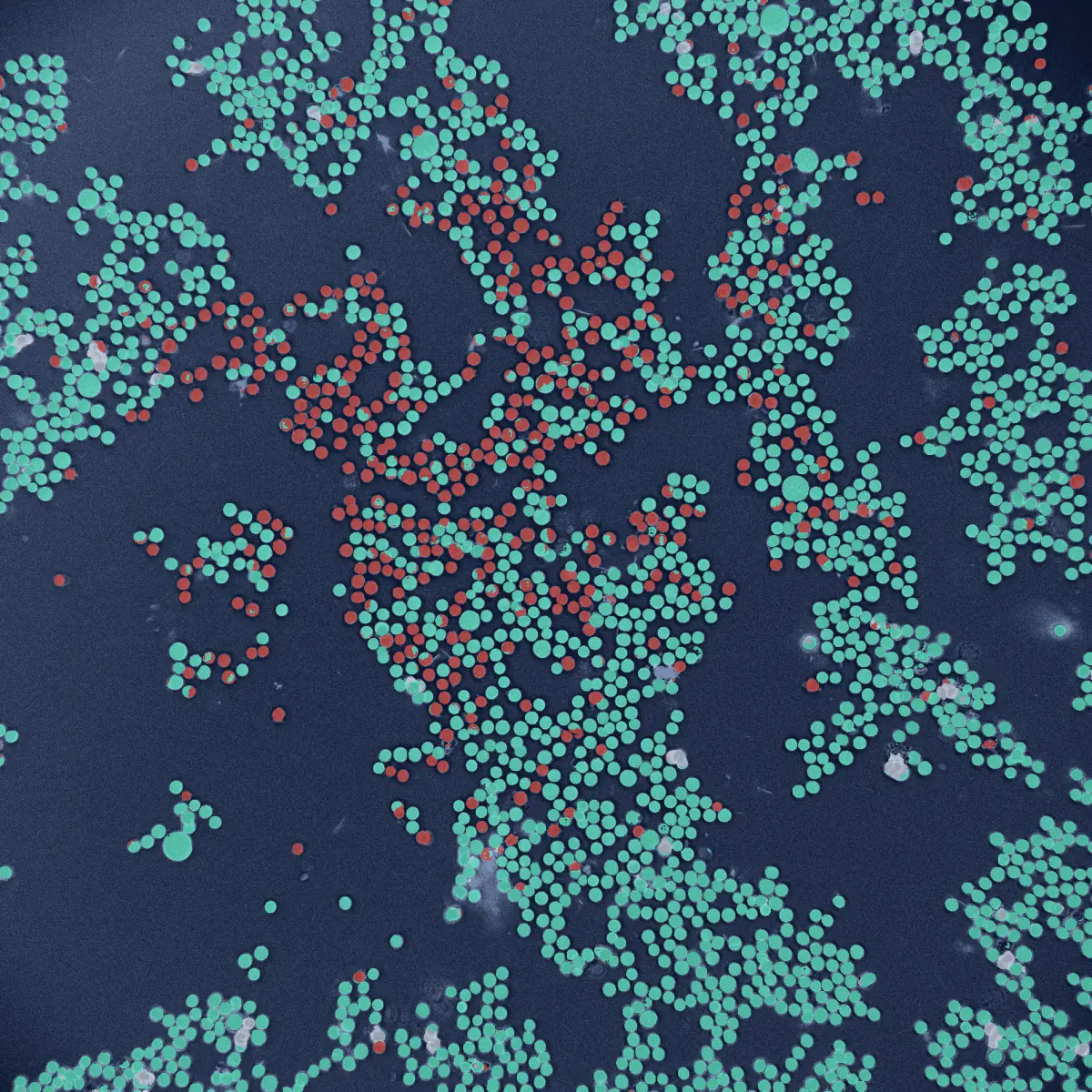
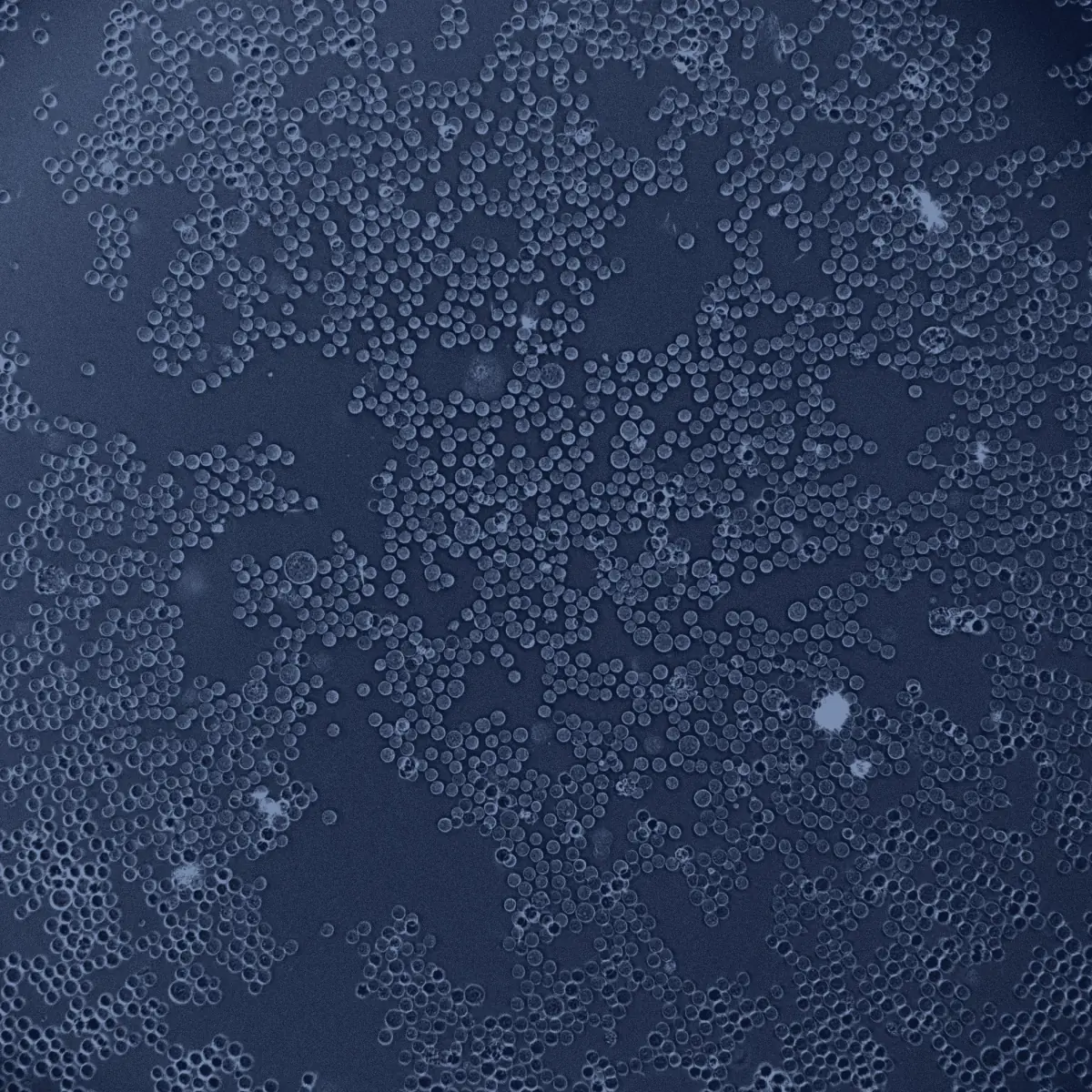
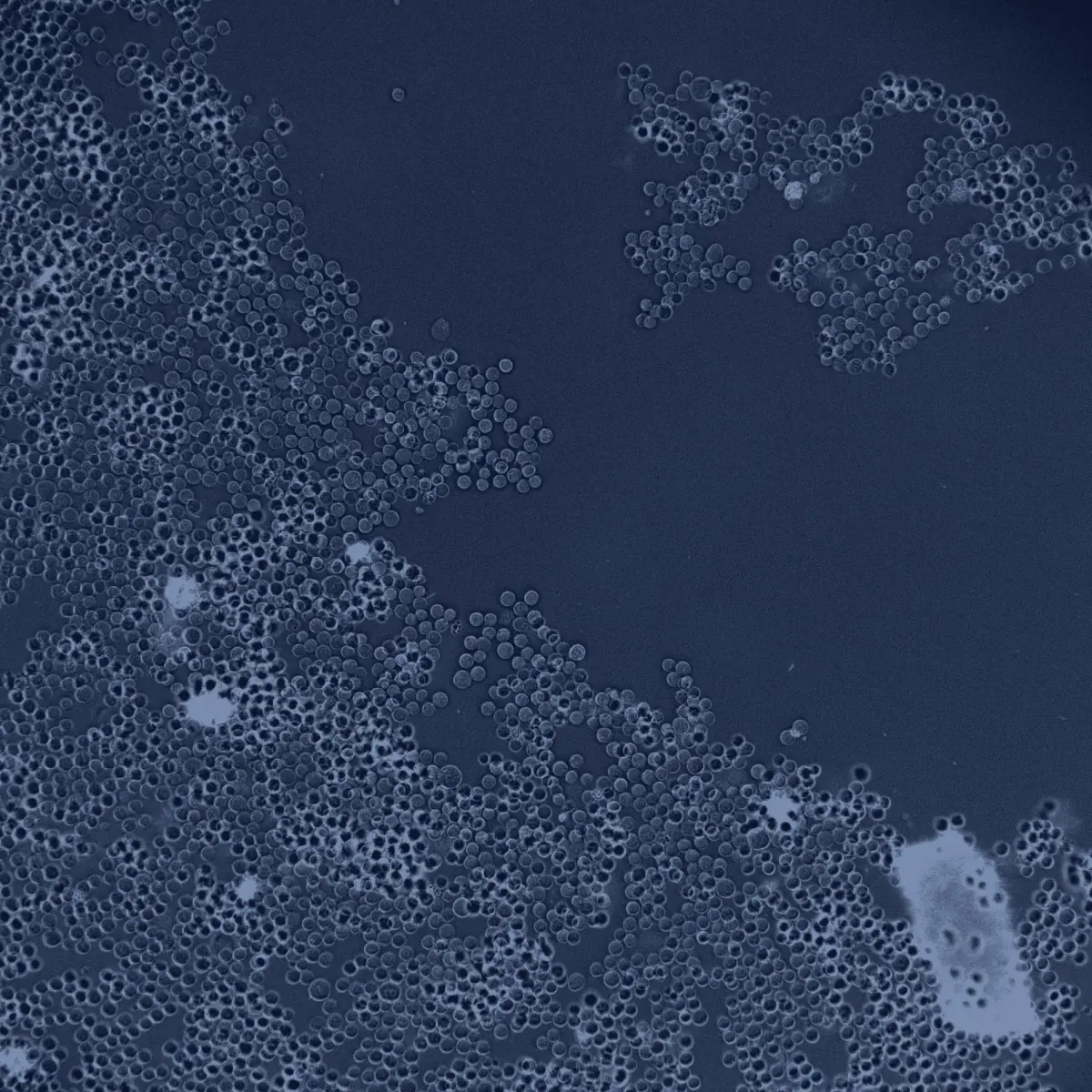
Formulations designed for your cells
Our algorithm searches a vast space of possible formulations and picks the candidates most worth testing, against the customer’s cells, goals and ingredient constraints.
MediOP™ tests AI predictions on real cells.
The biological verifier.
AI has moved fastest where data is plentiful and easy to check, like language and images. Biology works differently. Its data has to come from real experiments, which are slow, expensive and hard to repeat consistently, so AI can suggest far more ideas than any lab can test. Media development shows the problem clearly: labs test a handful of formulations at a time, by hand, and results rarely compare from one experiment to the next.
MediOP™ integrates a biological verifier into the platform. Robotics make and grow the formulations the model suggests, and our automated imaging and analytics measure how the cells responded, consistently and reproducibly. Connecting AI to the lab this closely is the hardest part to build, and it is the part we built first.
Each cycle adds to our dataset.
Every formulation we develop makes MediOP™ more powerful. We own the world’s largest structured dataset on media performance. This continuously expanding dataset enables transfer learning: our models generalise performance patterns across cell lines and applications, delivering strong predictions even for cells we haven’t previously optimised.
Unlock the potential of cell-based biomanufacturing.
Advancing media projects across industries.