
Ready to unlock your cells’ potential?
No other team is as dedicated to advancing cell culture media as Multus.
Talk to our media specialists today!


No other team is as dedicated to advancing cell culture media as Multus.
Talk to our media specialists today!
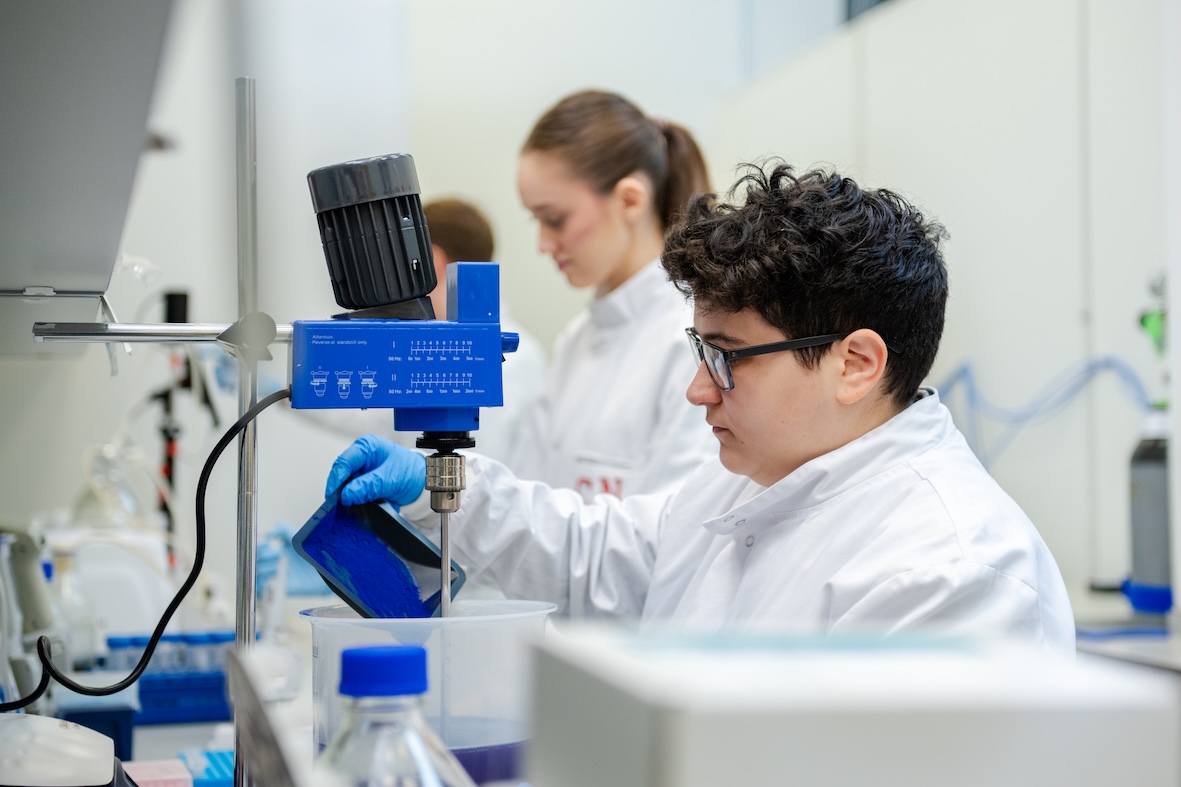
Expensive, animal-derived media prevents cellular agriculture products from reaching commercial scale. Generic formulations aren't suitable for cultivated meat and material applications, and traditional media development is too slow and costly for emerging companies to bring innovations to market. Without affordable, food-grade, animal component-free media, breakthrough products in sustainable food and materials can't achieve the scale needed to deliver global impact.
Our MediOP™ platform delivers animal component-free, food-grade media formulations designed specifically for cellular agriculture. Whether you're developing cultivated meat, seafood, or advanced materials like cultivated leather, we accelerate your path from lab-scale to commercial production.
Custom media development for your specific cell line and application. From rapid Express screening and Boost optimization to remove animal components to complete De Novo design from scratch, we can optimize for growth, cost, and food-grade regulatory compliance.
Learn more
Try our ready-made catalog formulations for select cellular agriculture cell types today.
Learn more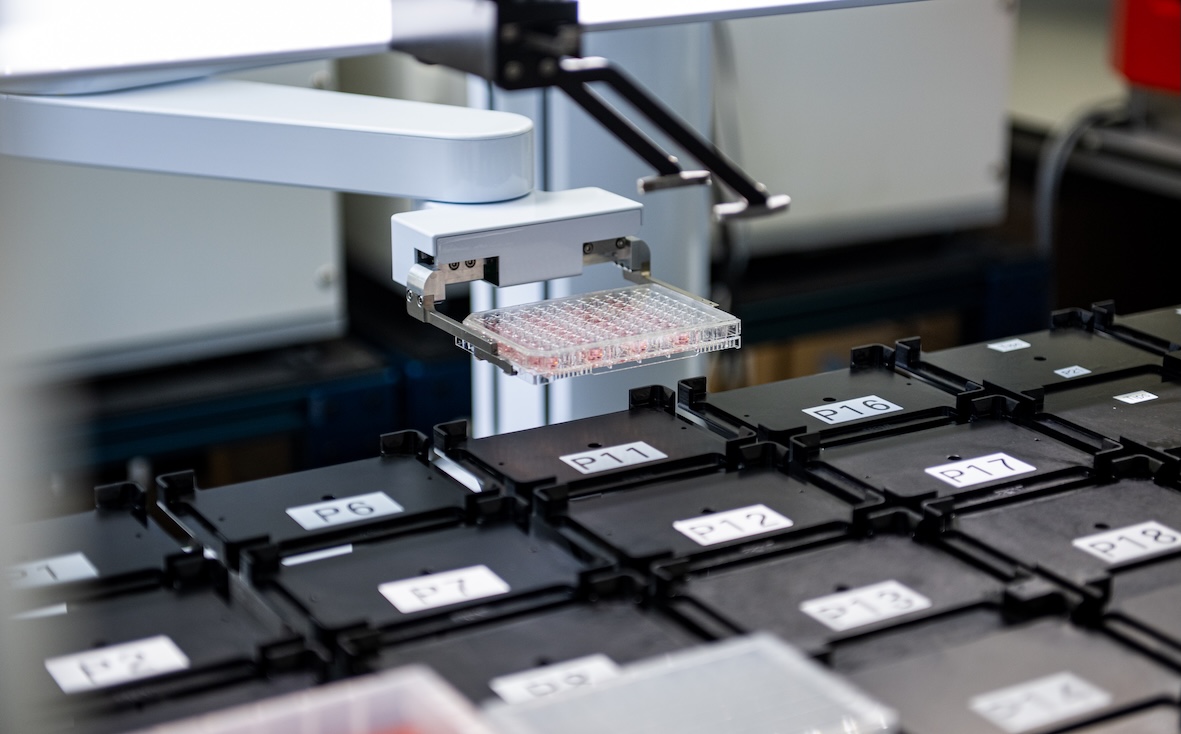
GMP-like production through our global partner network ensures your optimized formulations are available at commercial scale with full regulatory compliance and certified quality testing.
Learn more
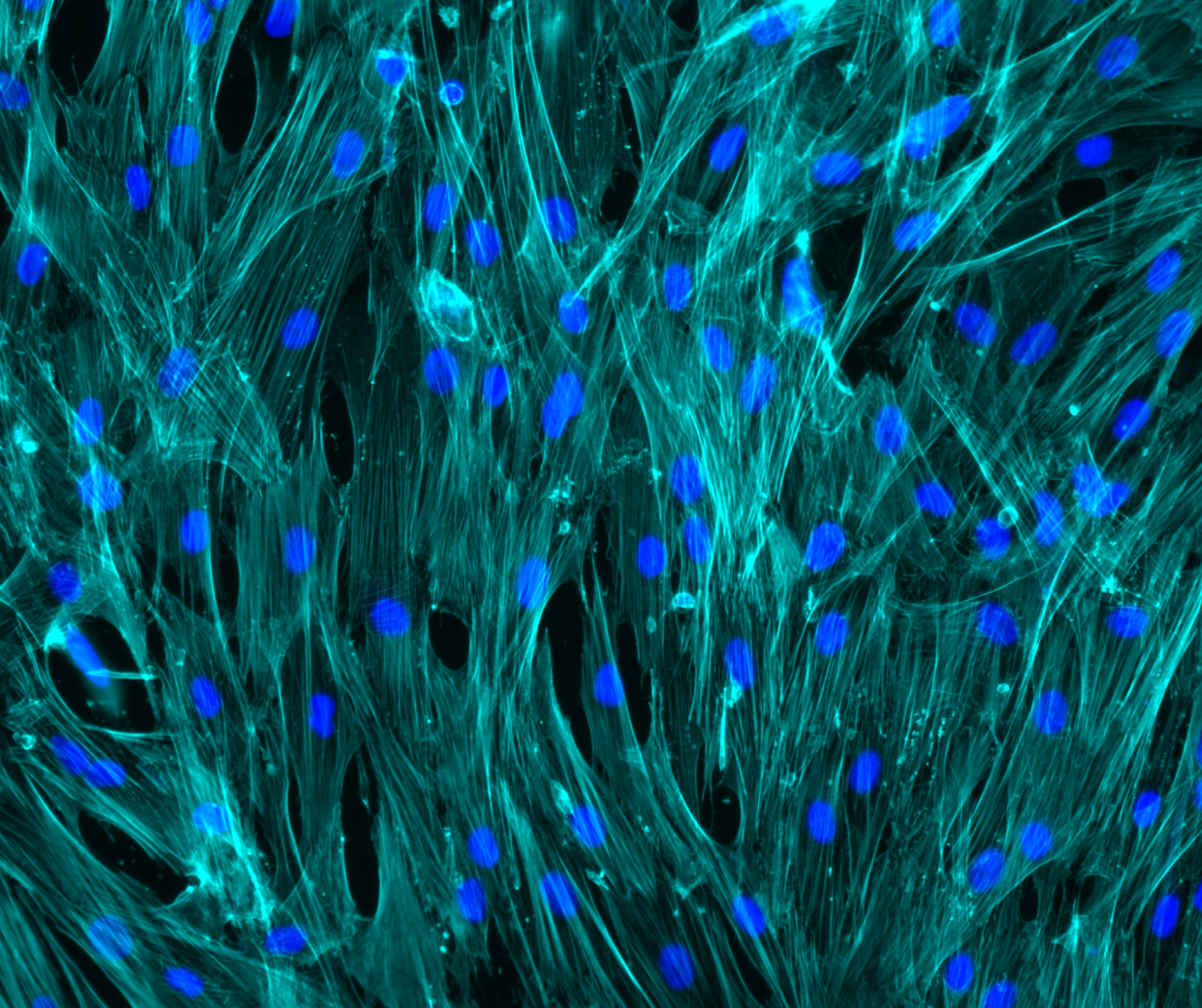
Formulations tailored to your cultivated meat or materials application, 100% free from animal-derived ingredients with food-grade compliance.
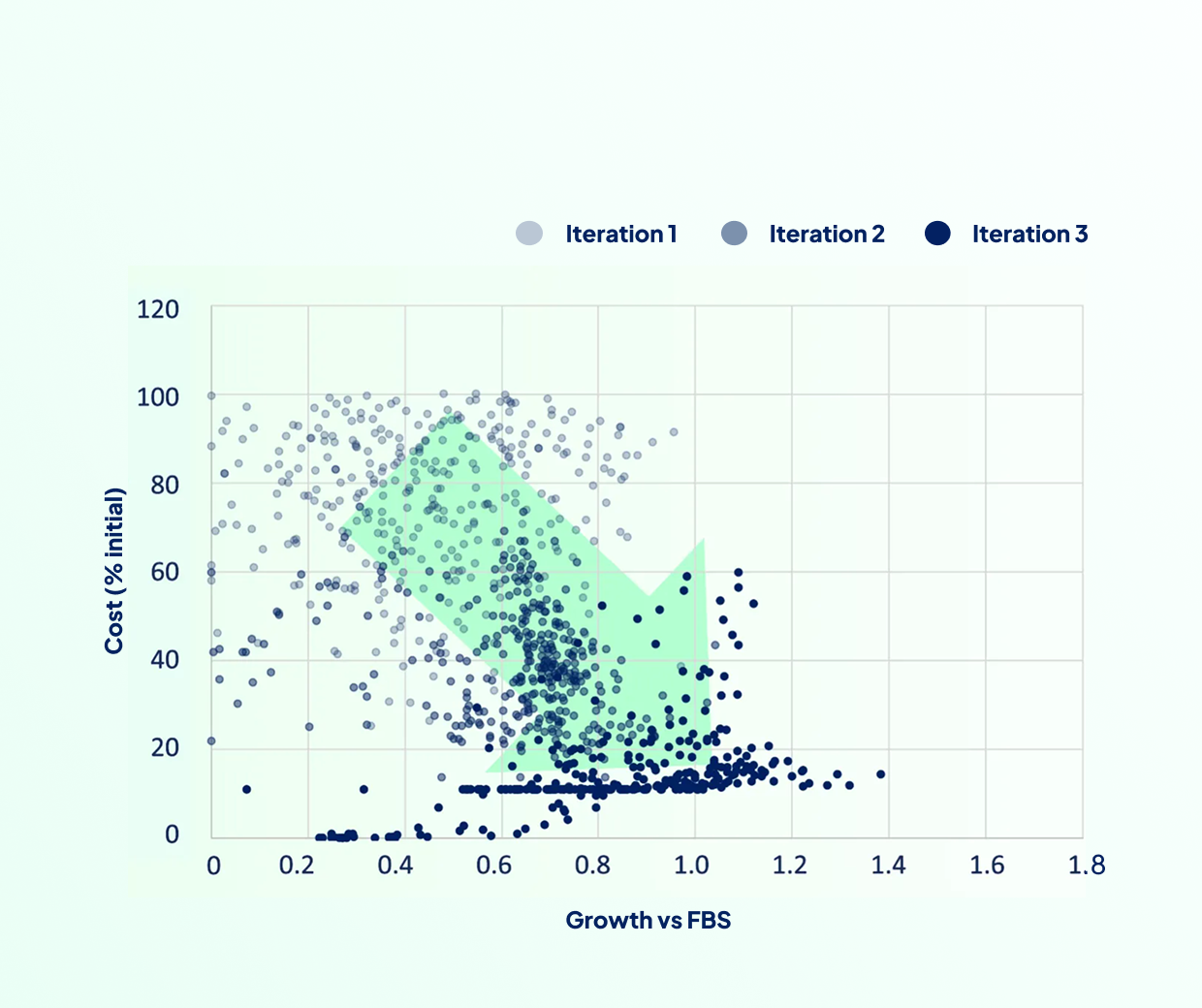
Optimized media in weeks instead of years, with significant cost reductions compared to traditional serum-based formulations. This makes commercial scale economically viable for cellular agriculture applications.
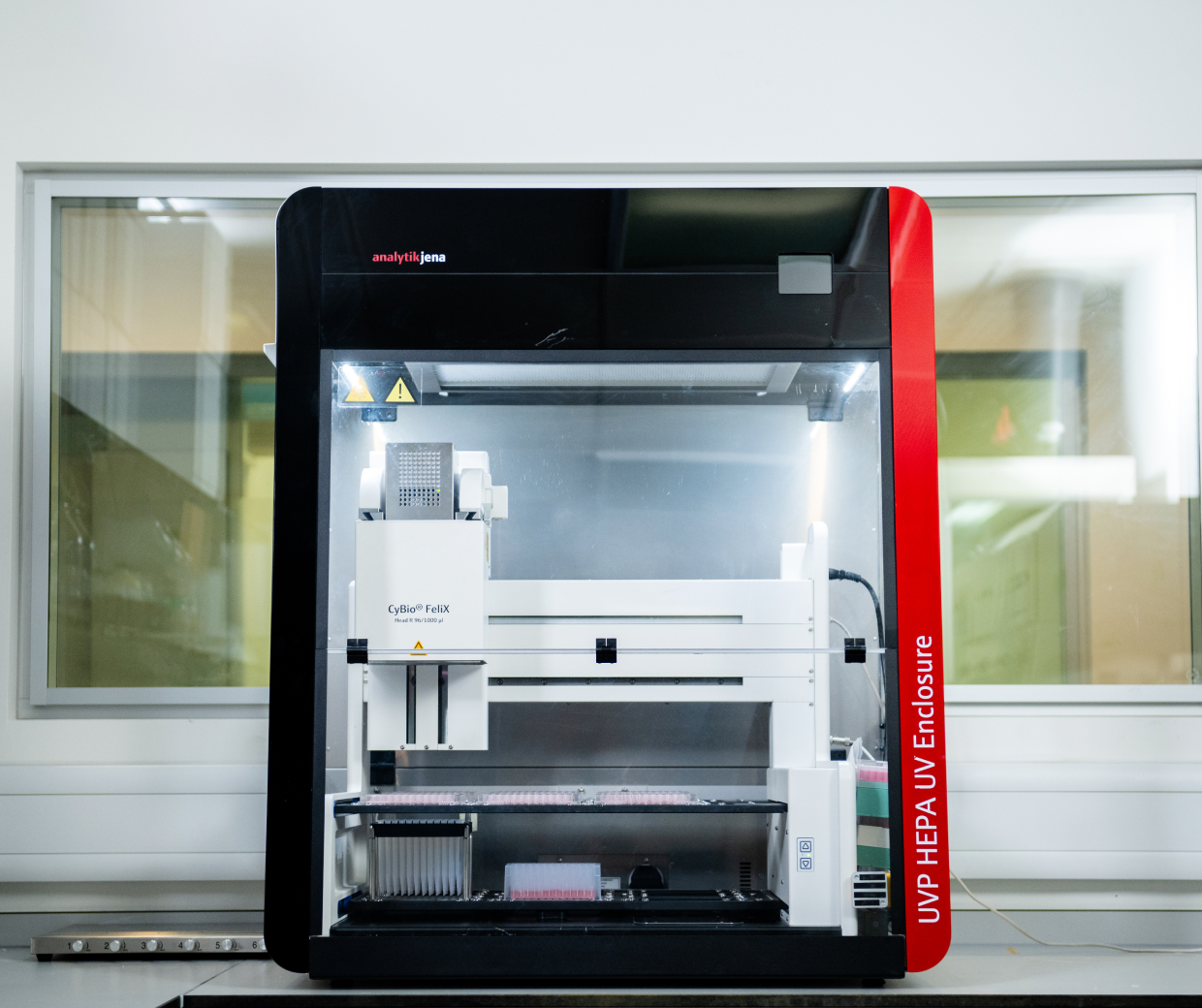
From off-the-shelf catalog products for rapid testing to fully custom formulations, with flexible manufacturing from prototype to commercial scale Multus designs media that can scale with you.
As a partner on a project, I can say that the Multus team has been fantastic, very responsive, helpful in providing additional information about their media when requested and able to accommodate even last-minute requests. Working with them has been a blast! Also their media formulation is easy to prepare and it comes with clear instructions.

Petra Hanga
Co-founder and CSO, Quest Meat
The Multus media development team are extremely efficient and knowledgable and have taken the hassle out of the complex media optimization process. We’ve seen impressive formulation results in a short period of time due to their innovative and high-throughput media development pipeline.

Dr. Olivia Ogilvie
CEO, Opo Bio
Multus have provided custom media manufacturing for us and have been a reliable, responsive supplier.

Tom Phillips
Chief Commercial Officer, Roslintech



No other team is as dedicated to advancing cell culture media as Multus. Talk to our media specialists today!

